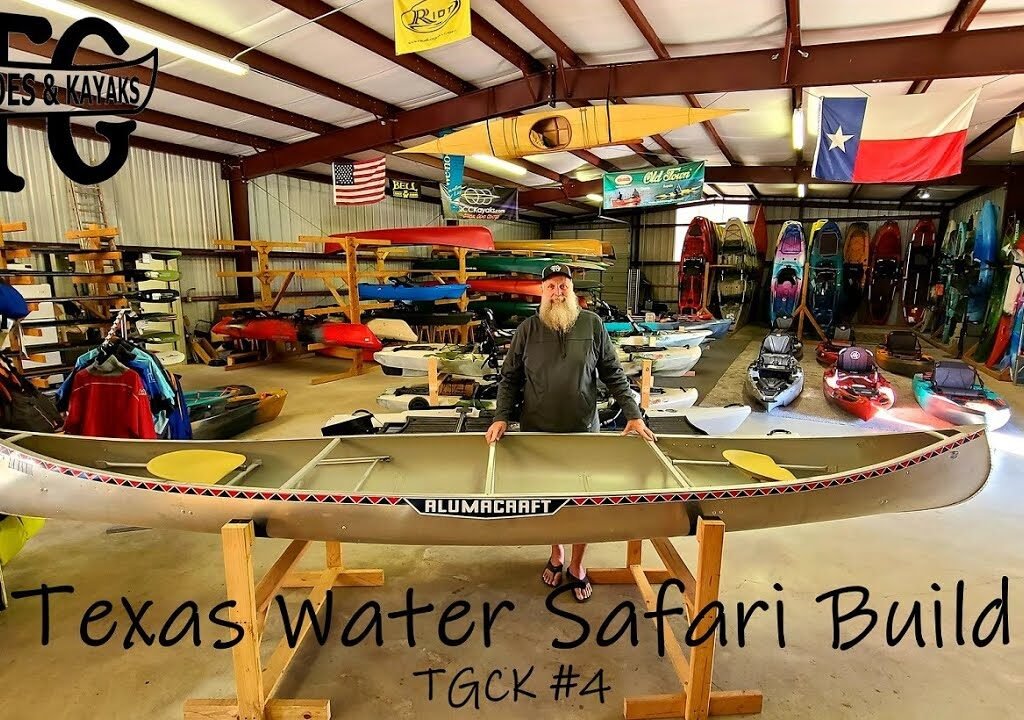
The Texas Water Safari is one of the most challenging canoe races in the world, demanding exceptional preparation and the right watercraft. In this comprehensive guide, we explore the Alumacraft Voyager build process specifically designed for this grueling 260-mile endurance race. The team at TG Canoes and Kayaks, featuring Duane, Alex, and Justin, shares their expertise in preparing vessels that can withstand the demanding conditions of the Texas Water Safari while maintaining optimal performance throughout the race.
Whether you’re a seasoned paddler preparing for your first Safari attempt or an experienced racer looking to optimize your setup, understanding the intricacies of an Alumacraft Voyager build is crucial for success. This build focuses on durability, weight distribution, and functionality – three key factors that can make or break your Safari experience.
Understanding the Alumacraft Voyager for Texas Water Safari
The Alumacraft Voyager has become a popular choice among Texas Water Safari participants due to its robust aluminum construction and versatile design. This canoe offers the perfect balance between durability and performance, essential qualities for navigating the diverse conditions encountered during the Safari.
Why Choose Alumacraft for the Safari
Aluminum canoes like the Voyager provide several advantages for long-distance racing. The material’s resistance to impact damage is particularly valuable when navigating shallow rocky sections or dealing with underwater obstacles. Unlike fiberglass or composite materials, aluminum can withstand significant abuse while maintaining structural integrity.
The Voyager’s design also offers excellent stability, which becomes increasingly important during the later stages of the race when fatigue sets in. The wider beam provides confidence-inspiring stability without sacrificing too much speed, making it an ideal compromise for multi-day racing.
Essential Modifications for Safari Success
Preparing an Alumacraft Voyager for the Texas Water Safari requires careful consideration of various modifications and additions. Each component must serve a specific purpose while contributing to the overall efficiency and safety of the vessel.
Seating and Comfort Systems
Proper seating is crucial for maintaining comfort and efficiency during the 100+ hour race. The standard Voyager seats require modification or replacement with racing-specific seating systems. Many Safari paddlers opt for custom-molded seats that provide better support and reduce pressure points during extended paddling sessions.
Adjustable footrests and thigh braces help maintain proper paddling position and reduce fatigue. These modifications allow paddlers to engage their core muscles more effectively, leading to better power transfer and reduced strain on the back and shoulders.
Storage and Organization Solutions
Effective gear organization can significantly impact race performance. The Voyager’s interior space must be optimized to carry essential supplies while maintaining proper weight distribution. Waterproof storage compartments protect critical items like food, navigation equipment, and spare clothing from water damage.
Many successful Safari teams install custom storage systems that allow quick access to frequently needed items without disrupting the canoe’s balance. This might include easily accessible snack compartments, hydration systems, and emergency equipment storage.
Performance Enhancements and Weight Considerations
Every modification to the Alumacraft Voyager must be evaluated for its impact on overall performance. While comfort and functionality are important, maintaining optimal speed and handling characteristics remains paramount for competitive success.
Hull Modifications
Some Safari participants choose to modify the Voyager’s hull profile to improve tracking or reduce drag. These modifications might include adding a skeg or modifying the keel line. However, any hull modifications should be carefully considered, as they can affect the canoe’s stability and handling characteristics.
Bottom protection is another crucial consideration. Adding protective strips or reinforcement to high-wear areas can prevent damage during the race while adding minimal weight. Kevlar strips or additional aluminum reinforcement in key areas help protect against rocks and debris.
Weight Distribution Strategy
Proper weight distribution affects every aspect of the Voyager’s performance. The placement of gear, water, and supplies must be carefully planned to maintain optimal trim and handling. Too much weight in the bow can cause the canoe to plow through waves, while excessive stern weight can make steering difficult.
Experienced Safari paddlers often create detailed weight distribution plans, accounting for how the load will change as supplies are consumed during the race. This forward-thinking approach helps maintain consistent performance throughout the event.
Liquid Logic Manta Ray 12 Integration
The mention of the Liquid Logic Manta Ray 12 kayak in conjunction with the Alumacraft Voyager build suggests considerations for team dynamics or alternative vessel options. Understanding how different watercraft complement each other in Safari strategy can provide valuable insights for team planning.
Multi-Vessel Strategy
Some Safari teams employ multiple vessel types to optimize their chances of success. While the Alumacraft Voyager provides excellent durability and capacity, kayaks like the Manta Ray 12 offer different advantages in specific conditions. The ability to switch between vessels or deploy different craft for different team members can provide strategic flexibility.
The Manta Ray 12’s design characteristics complement the Voyager’s capabilities, offering potentially better speed in certain conditions while maintaining reasonable cargo capacity. This combination approach allows teams to adapt to changing race conditions and optimize their performance based on real-time circumstances.
Expert Tips from TG Canoes and Kayaks
The team at TG Canoes and Kayaks brings extensive experience to Safari preparation. Their insights into vessel selection, modification, and race strategy have helped numerous paddlers achieve their Safari goals.
Pre-Race Testing and Preparation
Thorough testing of any Voyager modifications is essential before race day. This includes extended paddling sessions to evaluate comfort systems, gear accessibility testing, and performance assessment under various conditions. The Safari’s demanding nature leaves no room for untested equipment or modifications.
Documentation of successful modifications and their impacts helps refine the build process for future attempts. Many successful Safari paddlers maintain detailed logs of their equipment choices and their performance during training and racing.
Maintenance and Durability Considerations
The Alumacraft Voyager’s aluminum construction provides excellent durability, but proper maintenance remains crucial for optimal performance. Regular inspection of welds, rivets, and modification points helps identify potential issues before they become race-ending problems.
Long-term Care
Aluminum canoes require specific maintenance approaches to preserve their performance characteristics. Proper cleaning, storage, and periodic inspection help ensure the Voyager remains race-ready for multiple Safari attempts. Understanding the signs of fatigue or damage in aluminum construction helps paddlers make informed decisions about repairs or replacements.
The investment in a properly built Safari canoe extends beyond a single race, making long-term care and maintenance essential considerations for serious Safari participants.
Building an Alumacraft Voyager for the Texas Water Safari represents a significant commitment to one of paddling’s ultimate challenges. The combination of thoughtful modifications, careful preparation, and expert guidance from teams like TG Canoes and Kayaks provides the foundation for Safari success. Whether you’re planning your first Safari attempt or looking to improve upon previous performances, understanding the intricacies of proper vessel preparation remains crucial for achieving your goals on the San Marcos River.
Ready to start your own Texas Water Safari journey? Visit TG Canoes and Kayaks for expert guidance on vessel selection and modification. Follow their adventures and get more tips on Instagram and Facebook to stay connected with the Safari community.